
How to Prepare for Your First Mortgage Conversation
Reach out to Blake Weber to talk through your homebuying goals and the next practical step.
Buying a home can feel like a big, unfamiliar process, but your first conversation with a mortgage professional does not have to be stressful. You do not need every document perfectly organized or every answer figured out before you reach out. The goal of that first conversation is to understand where you are today, talk through your goals, and identify sensible next steps.
A little preparation helps you use the conversation well. It also gives you a clearer picture of what matters most to you before you start seriously shopping for a home.
Start with your homebuying goal
Before the conversation, think about the kind of move you are hoping to make. Are you buying your first home, moving for more space, relocating, or planning to keep your current home as an investment? Your timeline matters too. Maybe you are ready to start looking now, or maybe buying is a goal for later this year.
It is also helpful to consider the areas that fit your daily life. In East Texas, a shorter commute, a preferred school area, room for family, or acreage may be just as important as the home itself. Sharing those priorities helps frame a conversation around what you are actually trying to accomplish—not just a generic home search.
You do not have to have everything decided. A straightforward “here is what we are thinking” is a great place to begin.
Outline a comfortable monthly budget
Instead of focusing only on a purchase price, begin with the monthly housing payment range that would feel manageable within your household budget. Take a look at your regular expenses, savings priorities, and the room you want to keep for everyday life, repairs, travel, or other goals.
It can help to write down a range rather than one hard number. That gives you a starting point for discussing how different homes and financing approaches may affect the bigger picture. A mortgage conversation should help you understand options and tradeoffs, not pressure you toward a payment that makes life feel tight.
If you have questions about what is typically included in a housing payment, bring those along. Asking early is the right move.
Gather the basics, not a perfect file
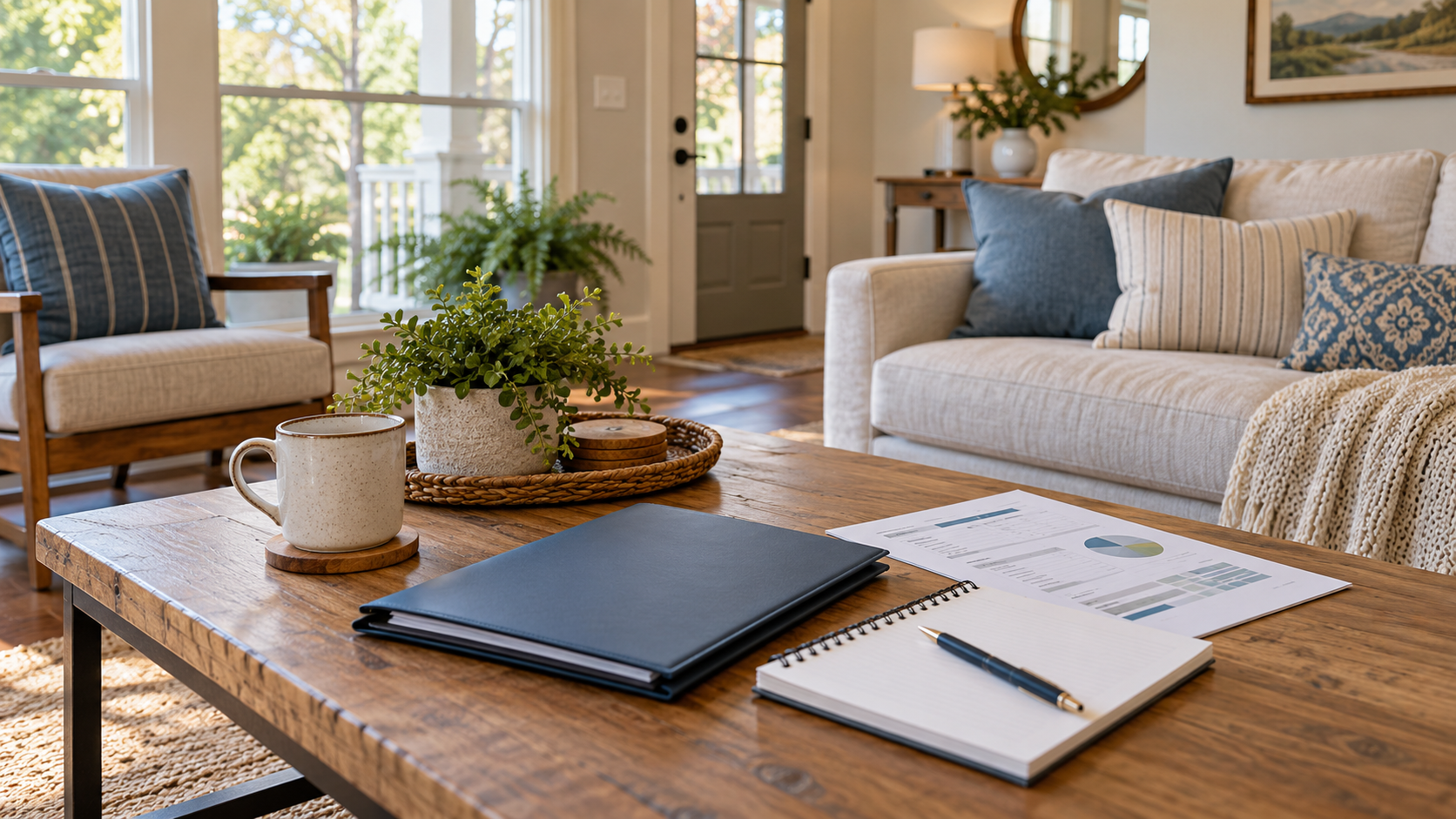
You do not need to turn your dining table into a paperwork office before an introductory call. Still, having basic information nearby makes the conversation more productive. Be prepared to discuss your employment and income situation, including whether your income is salaried, hourly, self-employed, seasonal, commission-based, or includes more than one source.
It is also useful to have a general sense of your savings available for a home purchase and any current debts or monthly obligations. If you already own a home, gather the basics on that property as well, including its estimated value, mortgage payment, and whether you expect to sell it before buying.
Accuracy matters more than perfection. If you are unsure about a detail, say so. The first conversation is a starting point, and the next steps can clarify the information needed for your specific situation.
Think through your questions
A good mortgage conversation should leave you better informed, so bring the questions that have been on your mind. You might ask about the overall steps from planning to closing, how to prepare before making offers, what to expect from a pre-qualification or pre-approval process, and how different loan programs may be worth exploring for your circumstances.
You can also ask what could strengthen your homebuying plan over time if you are not ready to move immediately. There is value in getting a clear plan early, even when the right timing is still ahead.
No question is too basic. Understanding the language, process, and decisions ahead of you can make the rest of the journey feel much more manageable.
Be open about the full picture
Many people wait to call because they are worried about credit, past financial decisions, or not having a large down payment saved. That is understandable, but it is usually more helpful to have an honest conversation sooner rather than later. The purpose is not to judge your starting point. It is to understand it and discuss possible paths forward.
A first mortgage conversation is simply a chance to get organized around your goals. Bring your priorities, a realistic budget range, a few basic details, and your questions. From there, you can make decisions with more confidence and a clearer plan.
If you are thinking about buying in Texas or Louisiana, reach out to Blake Weber to talk through your homebuying goals and the next practical step.